Aloe Vera juice or drinking gel? Cultivation and processing compared
Hand harvesting in the highlands or machine-processed whole leaves, vitamin C or heat, leaf gel or powder: how to tell what is really in “100% Aloe Vera”.
5 min read
“100% Aloe Vera” is printed on many bottles. But what is inside is decided not on the label but earlier: during cultivation, harvesting and processing. This article shows how LR obtains its leaf gel, what industrial methods do differently and how you can tell the difference.
If you would rather watch than read:
How LR grows and harvests
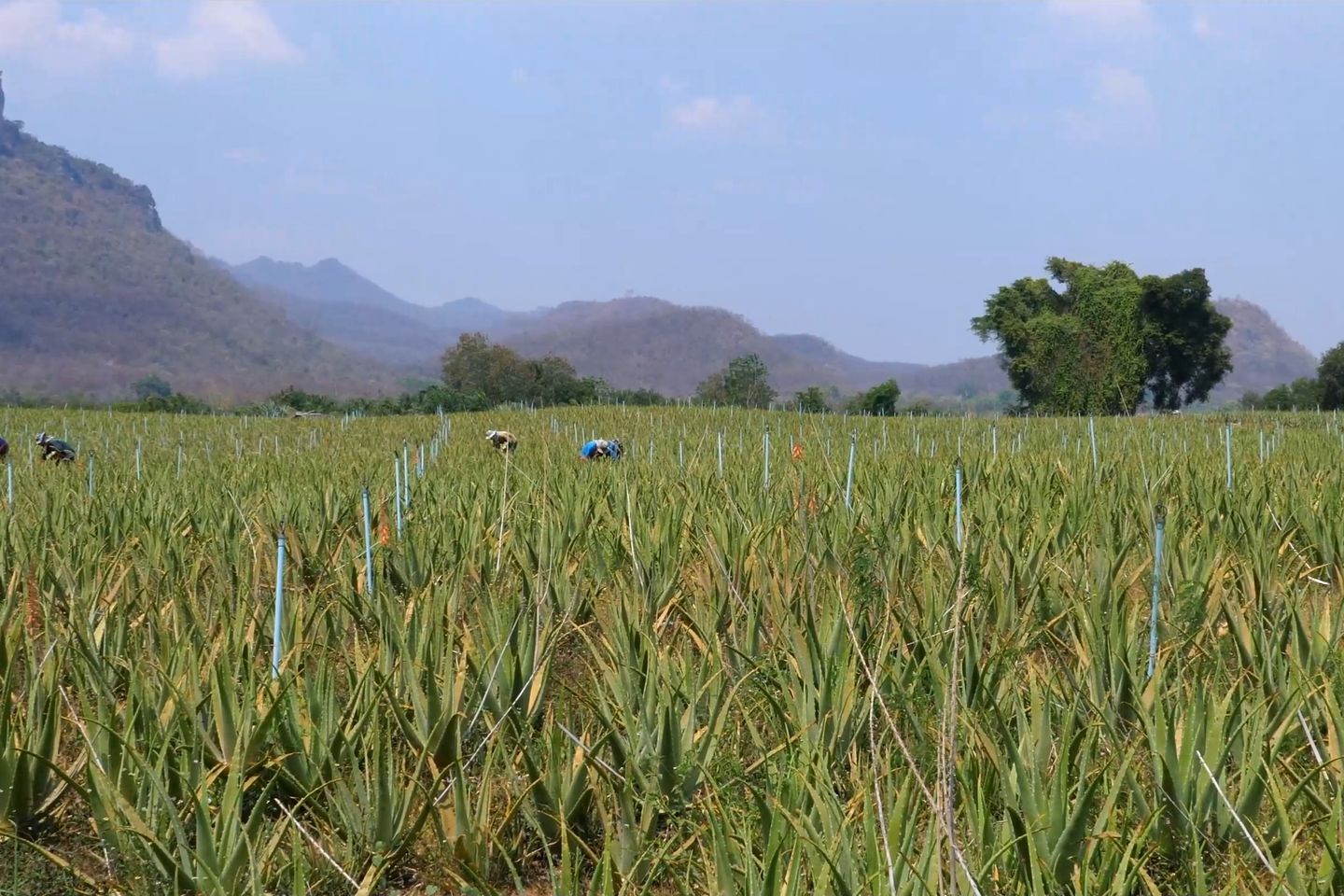
The growing area for LR's pure Aloe Vera leaf gel is in the Mexican highlands. The plants grow there without pesticides; their own constituents protect them from fungi and bacteria. The plantation lies far from any large city, and the air is particularly pure. Any part of the plant that is not used goes back onto the fields as natural fertiliser.
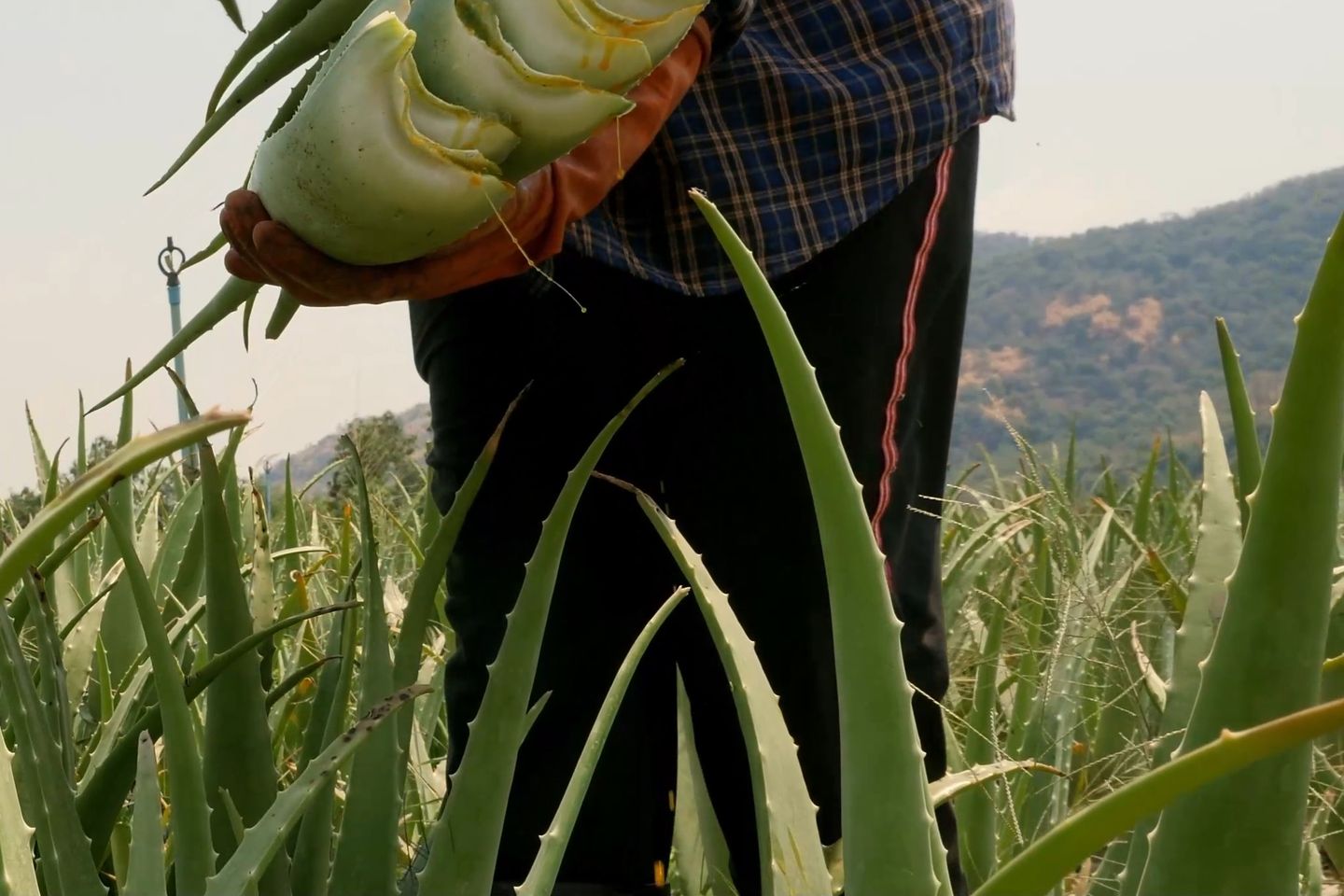
Harvesting is not done by machine. Only the outer leaves that have reached full maturity are cut off by hand. The young leaves, which are not yet fully mature, stay on the plant.
From leaf to gel: processing
Further processing takes place close to the fields, in five steps:
- Washing: The leaves are washed with spring water.
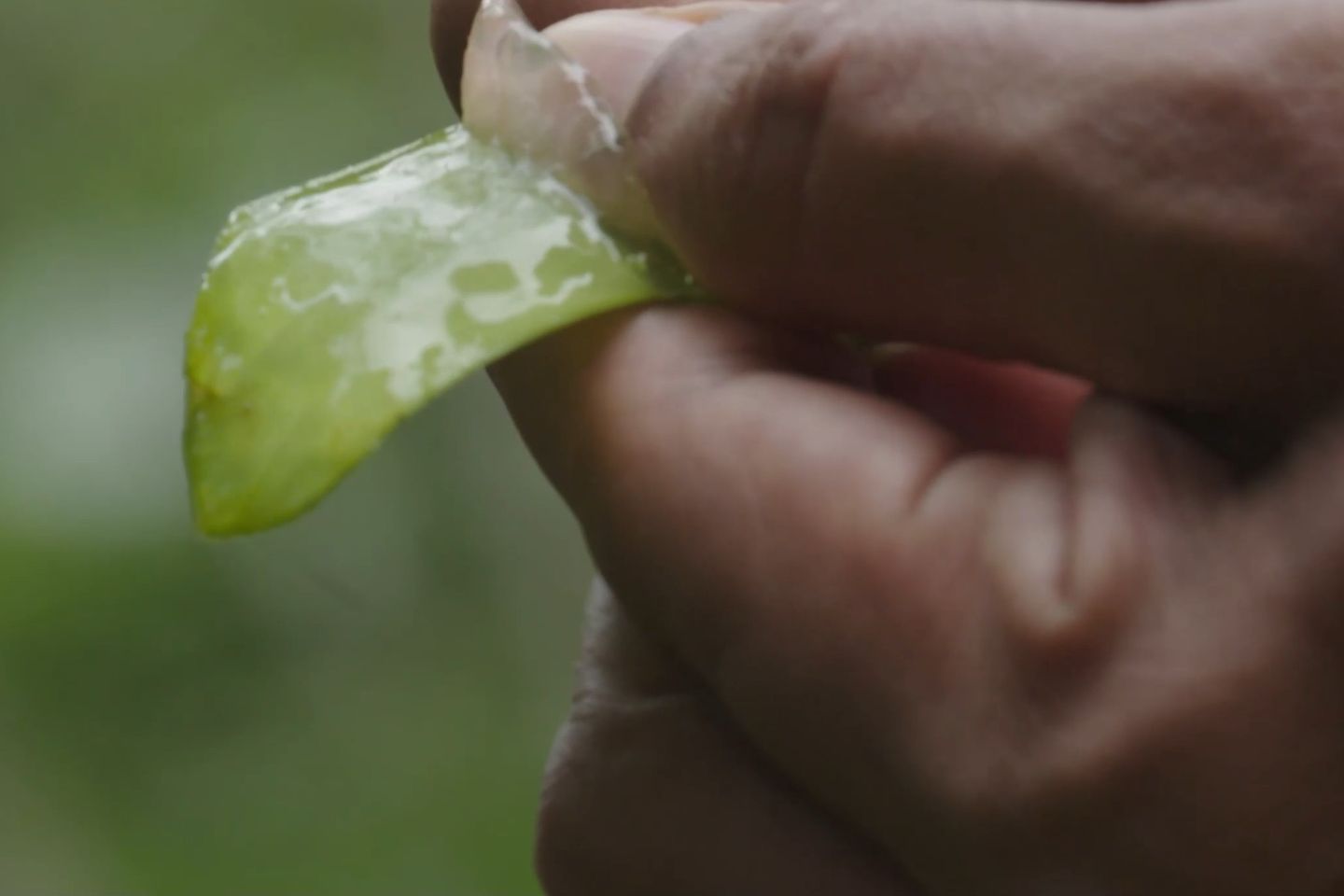
- Filleting: The leaf pulp is separated from the leaf skin. This step is crucial, because the leaf skin contains aloin, a substance with a laxative effect that is not suitable for regular consumption.
- Cold blending: The fillets are blended at low temperatures. This produces the naturally cloudy Aloe Vera gel.
- Preserving with vitamin C: Instead of pasteurising the heat-sensitive gel, vitamin C is added to preserve it.
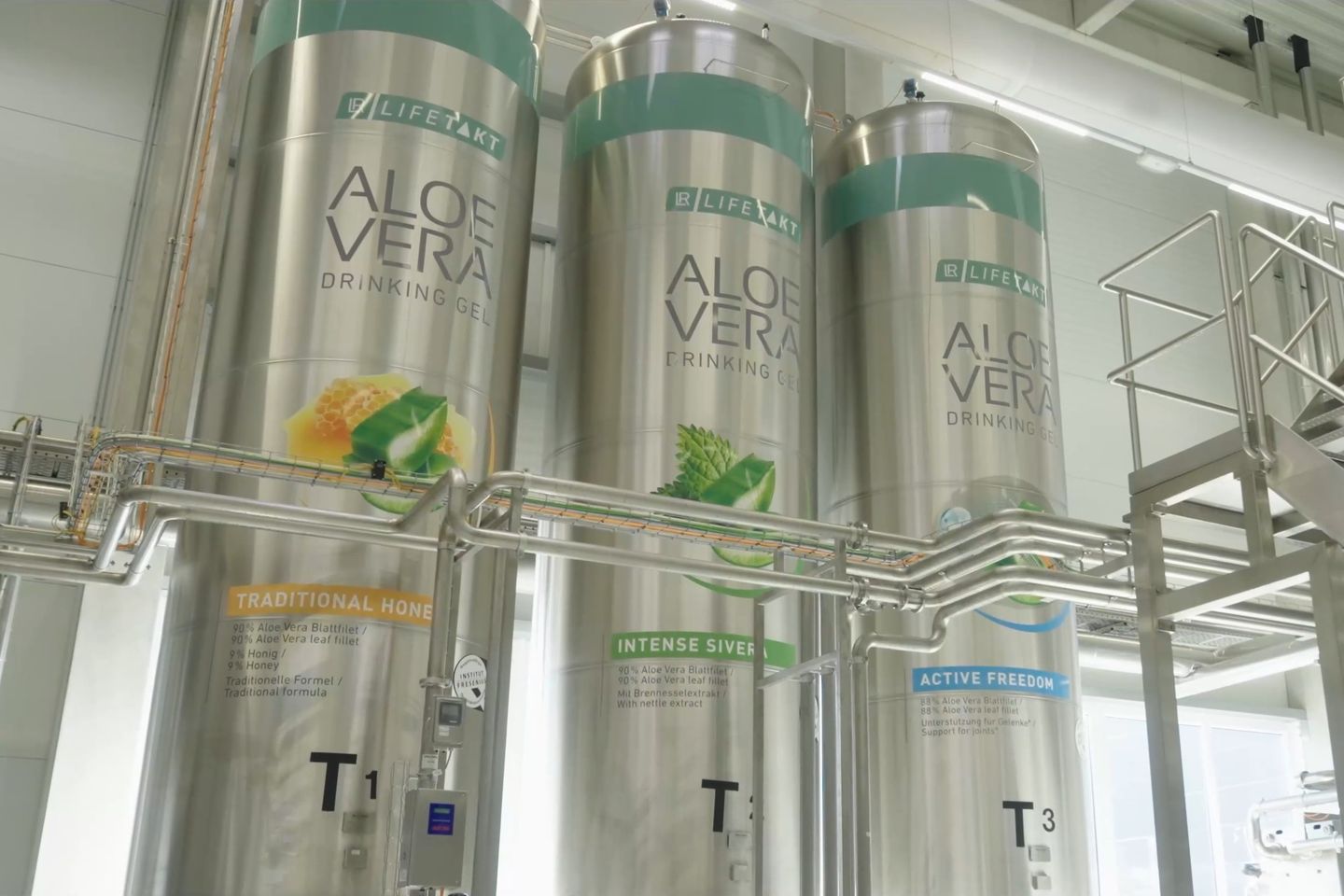
- Transport: The pure gel is transported in temperature-monitored tanks to Germany, where the Drinking Gels are bottled.
What industrial methods do differently
Industry has found ways of producing Aloe Vera more cheaply. There are three you should know about.
Machine harvesting
Harvesting machines reduce costs, but they harvest the entire plant. As well as the mature outer leaves, young leaves with a lower concentration of constituents also end up in processing.
Whole-leaf processing
To avoid the laborious filleting of each leaf, the leaves are blended whole. The result also contains the aloin from the leaf skin, which is not permitted for consumption. To remove it, the juice is filtered through activated charcoal. However, the charcoal binds not only aloin but numerous other constituents as well. The finished product may then be “100% Aloe Vera”, but with a considerably lower concentration of constituents.
Transport as a powder
One large retail chain advertises along these lines: the juice is gently dried, transported to Europe as a powder and there processed back into a vitality drink with a very high proportion of Aloe Vera. What lies behind this: the heat-sensitive gel is boiled down until only powder is left. Transport then costs a fraction as much. In the destination country, the powder is dissolved in water again, and the result is once more “100% Aloe Vera”, with a very low concentration of constituents.
How to recognise a good Aloe Vera drinking gel
Features of LR's Aloe Vera Drinking Gels:
- processing of the pure leaf gel, without leaf skin and aloin
- no heating of the leaf gel
- a growing area with good conditions in Central America
- a high proportion of pure leaf gel: 90 to 98%, depending on the variety
- a high concentration of natural constituents
- certification by Institut Fresenius and the IASC (International Aloe Science Council)
- bottling in Germany
- more than 20 years of experience

Warning signs in other Aloe Vera drinks:
- The leaf skin with its aloin is processed as well.
- heating, and with it the loss of heat-sensitive constituents
- Aloe Vera from mixed growing areas that cannot be traced
- a low proportion of pure leaf gel in the drink
- no certification of contents and processing
Conclusion
Cultivation, harvesting, processing and transport can be organised in many ways. If you want to use Aloe Vera for yourself, choose a product whose entire journey you know, and do not rely on advertising claims. Only then will you get not just “100% Aloe Vera” but also the constituents that are in the leaf.
Frequently asked questions
What is aloin?
Aloin is a bitter substance from the leaf skin of the Aloe Vera plant. It has a laxative effect and is not permitted for regular consumption. That is why LR only processes the filleted leaf pulp.
Why is the gel not pasteurised?
Many of Aloe Vera's constituents are sensitive to heat. Pasteurising would damage them. Instead, LR preserves the gel with vitamin C.
What does IASC certification mean?
The International Aloe Science Council checks the origin, purity and processing of Aloe Vera products. Together with the Institut Fresenius test seal, it shows that contents and methods are checked regularly.
Further reading
How much to drink each day and what is in the leaf gel: Drinking Aloe Vera gel. Which variety suits you: Honey, Peach, Sivera and Freedom compared. You can find the gels themselves in our range.