One leaf, three layers: how the Aloe Vera leaf is built
Rind, bitter layer and gel core: what is inside an Aloe Vera leaf, which layer goes into the drinking gel and why filleting is the most important step.
3 min read
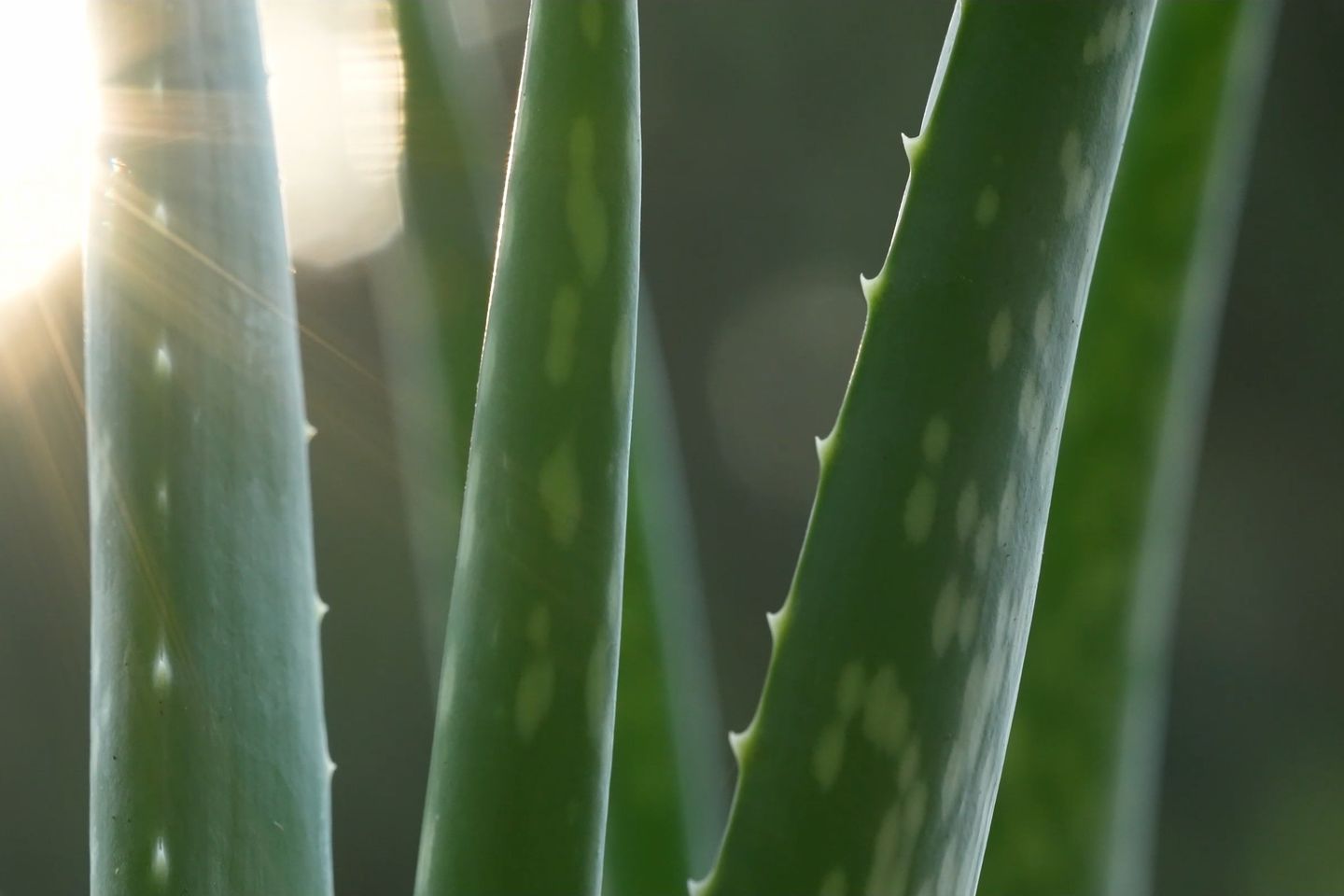
From the outside, an Aloe Vera leaf looks like a single green piece of plant. Cut it across and three layers appear, each with a job of its own. Once you know which of them ends up in the glass and which does not, you also understand why two bottles labelled “100% Aloe Vera” can contain very different things.
- Rind
- The firm, green outer skin of the leaf.
- Bitter layer
- A thin layer directly beneath the rind. It contains the bitter substances.
- Gel core
- The clear inside of the leaf. The gel is obtained from it.
The rind: the firm outer skin
On the outside lies the rind, the firm green skin of the leaf. It holds the leaf together and protects the inside from sun and drying out. Aloe Vera is a succulent: it grows in hot, dry regions and has to keep every drop of water in its leaves. For that, the rind works like a skin with a layer of wax.
The rind is not meant for a drinking gel. It is tough and fibrous, and it carries the substances that sit in the layer directly beneath it.
The bitter layer: thin, but important
Directly under the rind lies a thin layer with a yellowish plant sap. It contains the bitter substances of Aloe Vera, among them aloin. The plant uses them to protect itself from animals that want to eat its leaves.
Aloin has a laxative effect and is not approved for regular consumption. That is why it matters to separate this layer cleanly from the inside of the leaf during processing.
The gel core: the clear inside
Most of the leaf is filled by the gel core, the clear, water-rich leaf pulp. It stores the water the plant lives on during the dry season. The Aloe Vera gel in the drinking gels is obtained from it.
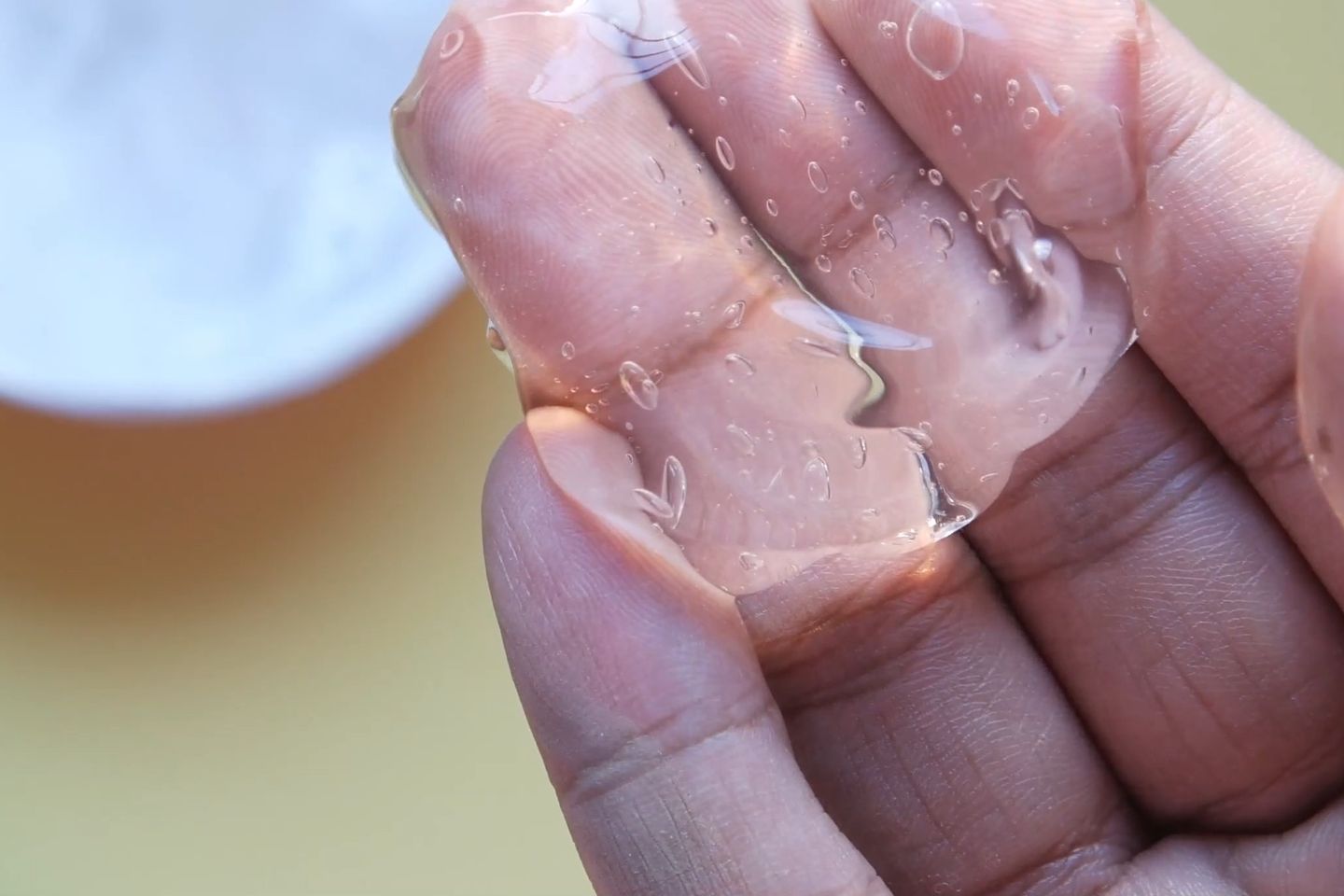
What the leaf gel contains, from polysaccharides to minerals, is shown in the article Drinking Aloe Vera gel.
What goes into the glass
So that only the gel core gets into the drinking gel, every leaf is filleted: rind and bitter layer are cut off, and the clear leaf pulp remains. At LR this happens close to the fields, right after the leaves have been washed.
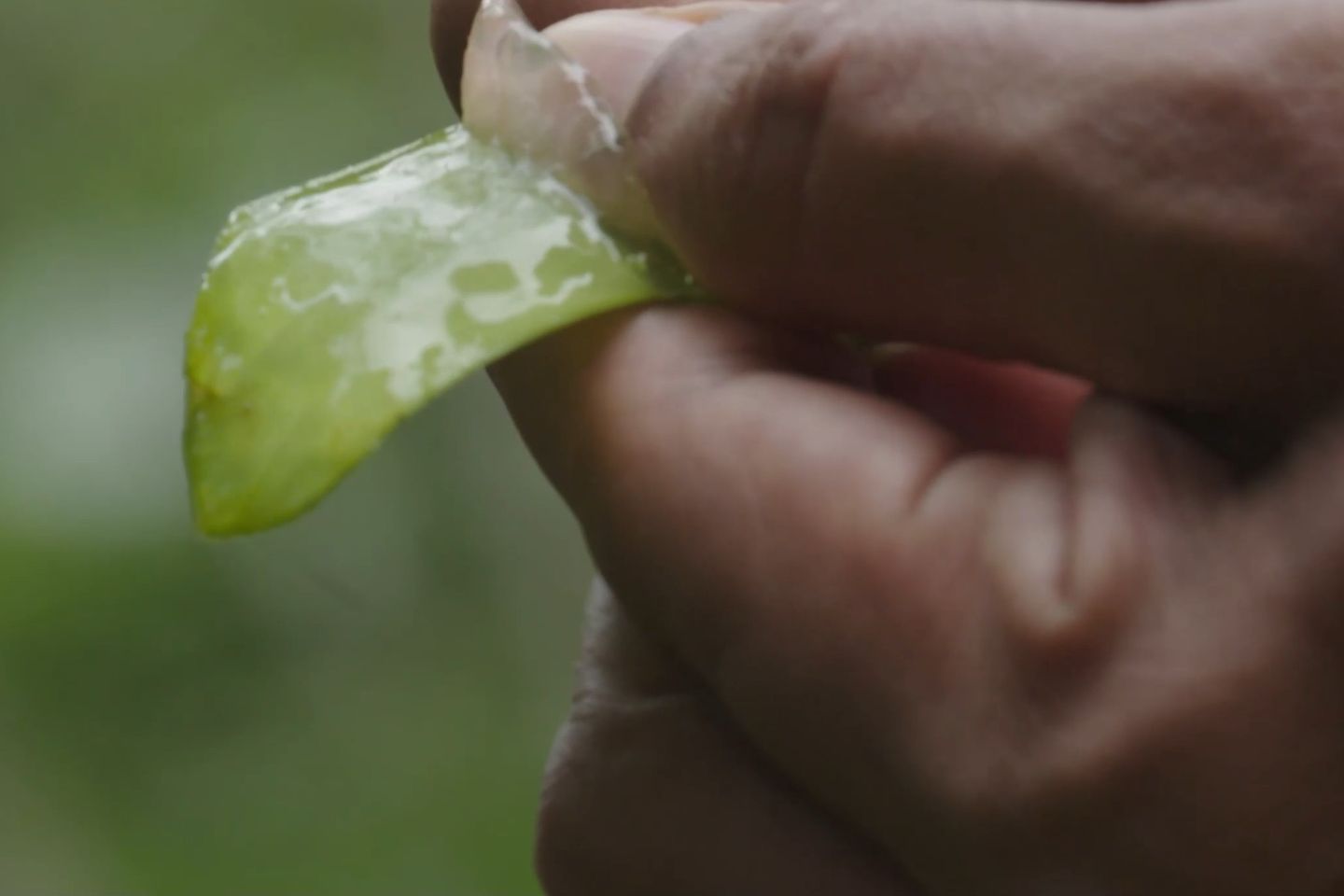
There is another way: some manufacturers blend the whole leaf, rind and all, and filter the aloin out again afterwards. What else is lost in the process and how you can tell the difference is explained in Growing and processing compared.
Frequently asked questions
Can I eat the gel straight from the leaf of a houseplant?
That is not advisable. Without clean filleting, something from the bitter layer easily gets into the gel, and not every aloe in a flowerpot is an Aloe Vera.
Why is the drinking gel slightly cloudy?
Because the fillets from the gel core are only blended cold. That produces a naturally cloudy gel.
Which layer is used in skin care?
The gel from the inside of the leaf, too. How much Aloe Vera each care product contains is shown in the article Aloe Vera for the skin.